
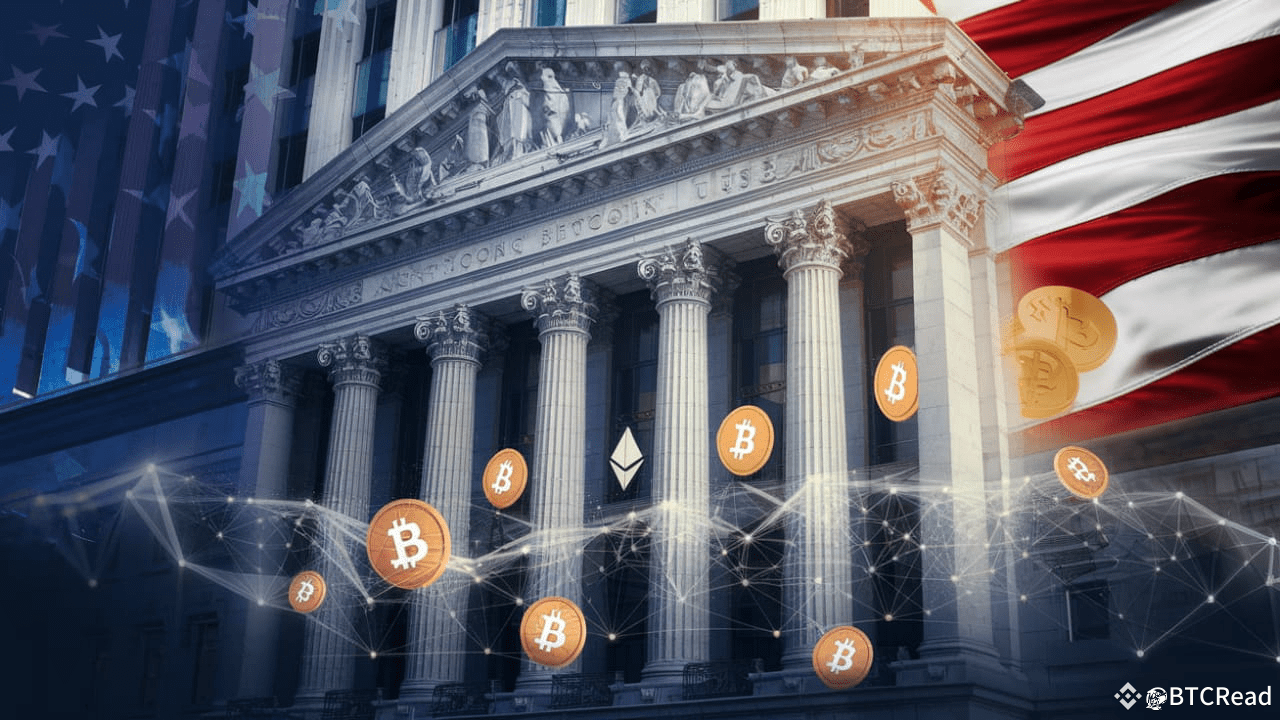
In recent developments, there's a growing advocacy for allowing U.S. banks to own and manage cryptocurrencies directly. This shift aims to integrate digital assets into the traditional financial system, potentially offering enhanced services and broader investment opportunities.
Key Highlights:
Integration of Digital Assets: Permitting banks to hold cryptocurrencies could bridge the gap between conventional banking and the rapidly evolving digital asset landscape, providing customers with more diversified financial products.
Enhanced Security and Trust: Banks, with their established regulatory frameworks and security protocols, can offer a safer environment for cryptocurrency transactions, addressing concerns about fraud and security in the crypto space.
Economic Competitiveness: Allowing banks to engage with cryptocurrencies can position the U.S. as a leader in financial innovation, ensuring competitiveness in the global financial market.
Current Regulatory Landscape:
OCC's Stance: The Office of the Comptroller of the Currency (OCC) has clarified that national banks can participate in specific crypto activities, such as crypto-asset custody and certain stablecoin activities, without prior regulatory permission.
Stablecoin Adoption: Major financial institutions, including Bank of America and fintech companies like PayPal and Stripe, are exploring opportunities in the stablecoin market, motivated by the prospect of reshaping cross-border payments using cryptocurrency.
Potential Benefits:
Customer Convenience: Clients could manage both traditional and digital assets under one roof, simplifying financial management.
Revenue Streams: Banks could introduce new services, such as cryptocurrency investment accounts and advisory services, tapping into a growing market.
Financial Inclusion: Digital assets can provide banking services to underbanked populations, leveraging technology to reach a broader audience.
Considerations and Challenges:
Regulatory Compliance: Ensuring adherence to anti-money laundering (AML) and know-your-customer (KYC) regulations is paramount.
Market Volatility: Cryptocurrencies are known for their price fluctuations, which could impact the stability of banks' holdings.
Technological Infrastructure: Banks would need to invest in robust systems to securely manage and transact digital assets.
Conclusion:
Allowing U.S. banks to own cryptocurrencies represents a significant step towards modernizing the financial sector. While challenges exist, the potential benefits for consumers and the economy make it a compelling consideration.
#CryptoBanking #DigitalAssets #FinancialInnovation
💡Stay Informed: Don’t miss out! Follow BTCRead on Binance Square for the latest updates and more.✅🌐
📢Disclaimer: This article is for informational purposes only and does not constitute financial advice. Always conduct your research before making investment decisions.