
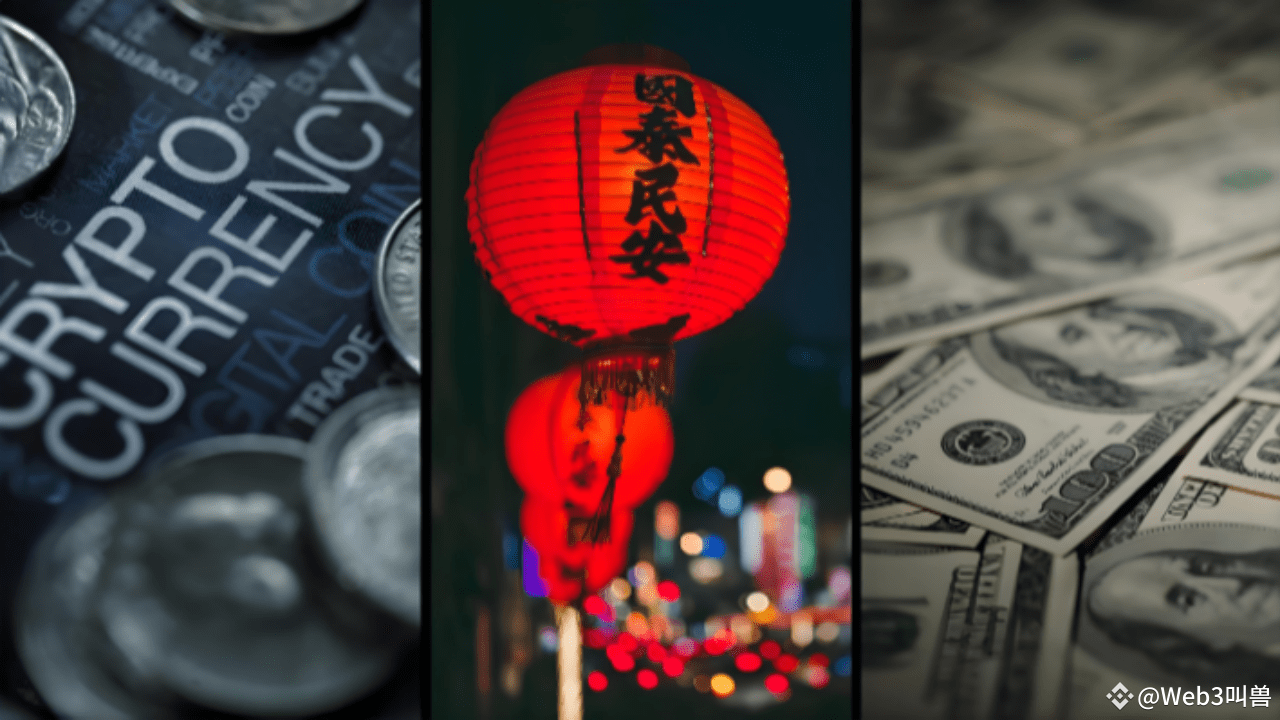
As returns in 2025 approach, Asian investors are closely watching three major trends: the strong dominance of the dollar, the robust rise of cryptocurrencies, and the trade policies disrupted by Donald Trump. These three forces are converging into a nebulous picture for the nation, presenting new opportunities and challenges for investors.
Whether seasoned brokers on Wall Street or regional fund managers, everyone is adjusting their investment portfolios to embrace the busy rollercoaster year ahead in Asia.
Dollar shines alone, safe-haven assets re-emerge
In 2024, the dollar leads the global currency market with strong momentum, especially under the hawkish push from the Federal Reserve, further strengthening its safe-haven position. Although the robust returns of the dollar on Asian local currency bonds create pressure, dollar-denominated debt has lost stability and become favored by investors.
At the same time, traditional safe-haven gold assets remain favored. Whether due to geopolitical factors or increasing market demand, gold's value preservation function remains irreplaceable, providing investors with a final safety net.
China: Economic Stimulus and Fiscal Opportunities
China's economic policy has explicitly proposed strong external interventions. The Beijing government is increasing fiscal stimulus to counter external pressures from U.S. tariff policies. The Central Economic Work Conference has clearly stated the strategic tone of expanding consumption and preventing export risks, ensuring growth driven by domestic demand.
Against this backdrop, investors' strategies are increasingly vocal. Fidelity focuses on stocks within China, particularly in sectors benefiting from consumer expansion. UBS prefers bank stocks, believing their low valuations and high consumption make them ideal choices during debt crises. The debt market offers another approach, with Morgan Stanley optimistic about RMB debt swaps, while Goldman Sachs bets on mid-range bonds, anticipating opportunities from China's long-term stimulus plans.
India's manufacturing and long-term growth logic
Compared to China's challenges, India's economy is becoming a highlight of growth in Asia. As manufacturing shifts from China to India and domestic market resistance increases, India is becoming the new darling in the eyes of global investors. Analysts at Hanya Investment recommend investing in large-cap stocks, especially in the healthcare, telecommunications, and finance sectors.
Additionally, local bonds in India are favored due to low external debt and the positive news of being included in global bond indices. However, the real highlight lies in India's long-term potential. The demographic dividend, accelerated urbanization, and trends in supply chain confidence are laying a solid foundation for India's future.
Cryptocurrency: The Next Wealth Code for Asia?
In the cryptocurrency domain, Asia continues to play a leading global role. Bitcoin breaking the $100,000 mark has become a hot topic worldwide, with Central and South Asia at the heart of this event. Indonesia's performance is particularly noteworthy, with its crypto trading volume in 2024 growing by 350% year-on-year to reach $30 billion.
This explosive growth is not limited to retail investors; institutions are also advancing rapidly. ZA Bank in Hong Kong has started offering direct cryptocurrency trading services to retail investors, while Japan's AEON has launched a blockchain-based QR code payment system. Southeast Asian countries continue to consolidate their regional leadership position due to manufacturing prosperity and currency stability.
Southeast Asia's Turkey: Manufacturing and Debt Advantages
Diplomacy and Vietnam are undoubtedly the stars of Southeast Asia. Diplomacy has become the focus of foreign investment due to its strong domestic market and resilience in the commodity sector, while Vietnam has been included in the FTSE Emerging Markets Index due to its export-oriented economic policies.
At the same time, markets like Pakistan have become havens for investors due to their relative independence from the US-China trade war. UBS Asset Management points out that the credit instruments in these markets perform excellently in avoiding tariff risks, providing unique investment opportunities for frontrunners.
Currency Game: Dollar vs. Yen
The dollar's dominant position in the Asian currency system seems difficult to shake, remaining a key consideration for investors in the region for the fifth consecutive year. Furthermore, the gap in the yen and G10 monetary policies has become a new focus of trading, providing options to hedge against the uncertainties of Trump-like trade policies.
However, currencies in other parts of Asia are caught in a dilemma due to the lack of further expansion of monetary easing space. As the dollar continues to rise, investors need to prepare for greater pain.
Are you ready for 2025?
The Asian financial market in 2025 is destined to be a vibrant and opportunity-filled adventure. From the dollar to Bitcoin, from the shift in manufacturing to regional policy trends, every change is profoundly reshaping Asia's investment landscape.
If you want a piece of the capital defense game, don't forget to pay attention to 'The Professor'! Here you will find the deepest analysis, sharpest perspectives, and investment advice that is closest to the market pulse. By following The Professor, you can not only understand the trends but also ride the wave; we meet at the pinnacle of wealth!