

Written by: Cam Thompson
Compiled by: TechFlow
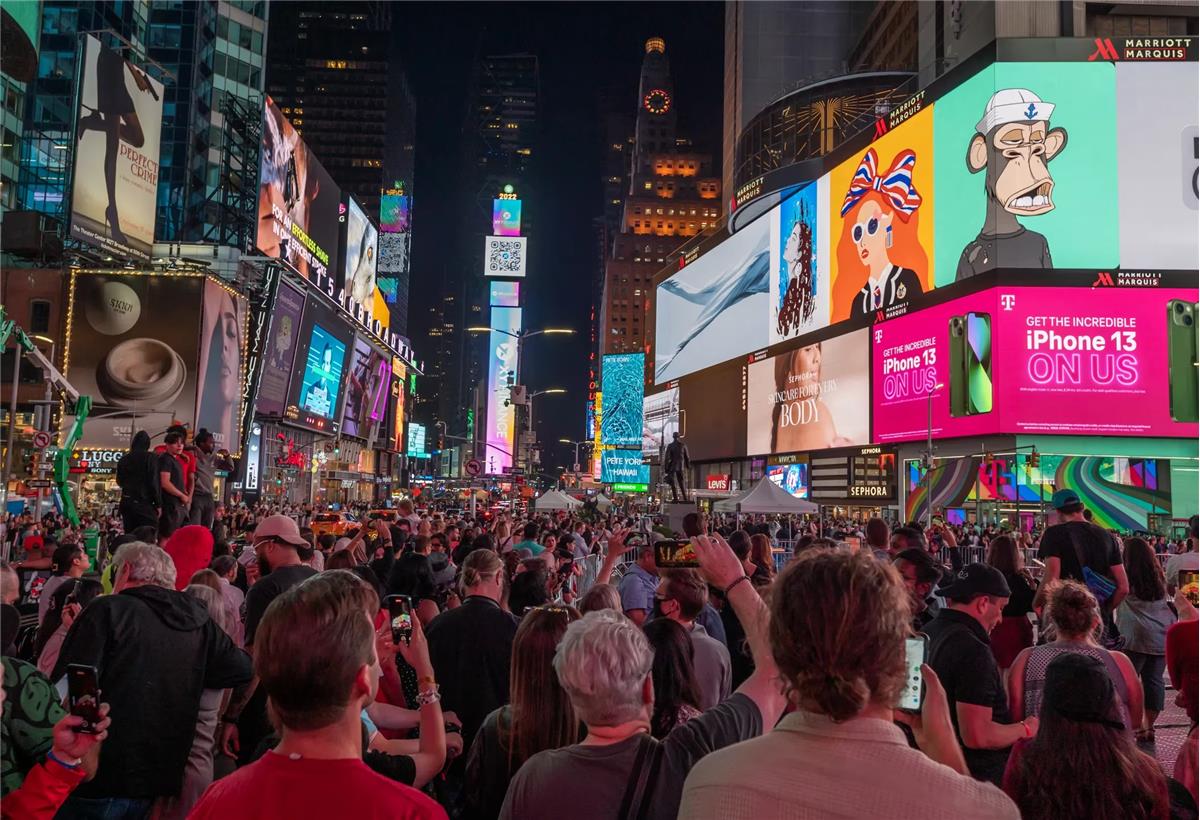
As crypto markets face new challenges and market recessions, many are looking for other signs of what the future holds for decentralization and blockchain technology.
Non-fungible tokens (NFTs), especially collectible profile pictures (PFPs), have seen a surge in sales in 2021. Many people are choosing these colorful JPEGs as a reflection of their digital identity and building communities around Web3, or the next iteration of the internet, which is beginning to take shape.
But as NFT trading has slowed, the discussion has shifted from short-term value and chasing hype cycles to the long-term utility of holding these tokens.
Many brands have begun exploring creative use cases for NFTs and how to leverage these digital tokens for more than just a quick investment opportunity. Now, businesses are looking at NFTs as a way to build closer relationships between brands, creators, and consumers by tying rewards to long-term ownership.
For example, GQ launched an NFT-related magazine subscription service in February, while sports media Sports Illustrated launched an NFT ticket program in May. Meanwhile, Starbucks launched a beta version of its Odyssey Web3 loyalty program in October to reward its most loyal coffee drinkers for digital interactions.
These popular mainstream brands are most concerned with attracting new customers who are looking for a richer brand experience without compromising integrity or creating complex onboarding procedures. For some thought leaders, loyalty programs, memberships, and ticketing opportunities are the most obvious use cases for NFTs and offer a path forward for bringing the most new users to Web3.
A Loyalty Economy Empowered by NFTs
Loyalty programs, or points-based systems, such as Delta Air Lines’ Skymiles or cosmetics retailer Sephora’s Beauty Insider program, reward customers for purchasing a brand’s goods and services.
According to a survey conducted by LendingTree in July 2022, at least 80% of Americans are members of at least one loyalty program. Matt Schulz, chief credit analyst at LendingTree, said in the report that consumers often want to get better discounts, free items faster, and exclusive deals through loyalty programs.
Because NFTs are able to create communities around brands, they have found a place in these systems, as demonstrated by well-known collectibles such as Bored Ape Yacht Club (BAYC), Moonbirds, or Goblintown. They also help to reshape the nature of Web2 loyalty programs that drive incentives and transactions by incorporating digital identity and ownership into them - a new component of loyalty programs enabled by blockchain technology.
Tara Fung, CEO and co-founder of Web3 infrastructure company Co:Create, said NFT loyalty provides users with the opportunity to connect more closely with their favorite brands. And brands are able to connect and engage their audiences more effectively.
“Because loyalty is a known concept, specifically referring to retention marketing, by incorporating Web3 as part of the technology stack, it can become something more,” Fung said. “The value that Web3 brings as part of the technology stack is the introduction of a greater degree of ownership of someone’s loyalty,” Fung said.
Fung noted that when building new blockchain loyalty programs, there needs to be a careful balance between offering services to people who are already committed to Web3 (often referred to as Web3 natives) while not disappointing potential new users.
“It’s still a trade-off,” Fung said. “But we’re trying to satisfy both needs, which is helping anyone participate and experience Web3 at the very beginning, and making sure that Web3 native users feel like these are actually my assets that I can carry with me.”
For companies looking to add Web3 loyalty benefits to existing goods and services, onboarding is often a pain point. This is especially important for Blackbird, a restaurant loyalty program builder that provides benefits to frequent customers who visit restaurants frequently.
Ben Leventhal, co-founder and CEO of Blackbird and predecessor reservation platform Resy, claims he believes NFTs are the most effective mechanism for attracting and rewarding restaurant customers for brand loyalty.
Blackbird’s NFT loyalty program is simple: when a customer eats at a Blackbird-powered restaurant, they instantly receive an NFT that is minted into a unique backend wallet, marking their “proof of attendance.” Each time they return to that restaurant, the NFT is transformed into a new token with more rare features.
“Overall, we’re thinking about loyalty and connection, but also making a restaurant feel magical and exciting to build long-term engagement and a relationship between the restaurant and the customer,” Leventhal said.
Blackbird and many other projects leveraging blockchain technology have taken the approach of stripping away Web3-related terminology to be as friendly as possible to new users. For example, some companies, including Nike and Starbucks, have chosen not to use the word NFT in their marketing materials, instead calling their products “digital collectibles” and “tokenized assets.”
In building Blackbird, Leventhal’s goal was to abstract blockchain technology and terminology from the user experience to make engagement core to its brand. “Ninety-nine percent of restaurant customers don’t interact with Blackbird because they want to interact with a Web3 company,” Leventhal said. “They interact with Blackbird because they want to interact with a restaurant.”
Non-homogeneous tickets
The chaos surrounding ticket sales for pop star Taylor Swift's Time Tour has revealed serious problems throughout the mainstream ticketing industry. From glitchy platforms to duplicate tickets to exorbitant resale prices, Swifties and other fans often face significant barriers to obtaining tickets.
Non-fungible token (NFT) tickets offer a solution to some of the problems currently plaguing the events industry.
David Marcus, EVP of Music at Ticketmaster, explained that artists can use token-based ticket sales as a way to better control how tickets are issued to fans. For example, metal band Avenged Sevenfold offered exclusive tickets to its Deathbats Club NFT collectible holders to see their live shows through Ticketmaster.
“Any artist who mints their own NFTs could experiment with token-based sales, which could be used to help connect token holders with the best seats, pre-show experiences, or simply first access to tickets to an upcoming tour,” he said, adding that there is also a growing trend of NFTs being used as “memorabilia to commemorate and relive live experiences.”
In order for NFT ticket sales to develop and grow, Marcus said that capability requires “activation of communities in Web3 that are still growing at a broader scale.”
Matt Sanders, the lead singer of Avenged Sevenfold, also known as M. Shadows, said that while NFTs are not necessary for every type of event, they do provide fans with more options and alleviate some of the pain points of buying and selling tickets.
“What we really need is to give fans a choice: They should be able to easily transfer or sell their tickets. They shouldn’t need physical tickets, which can be easily lost. And they shouldn’t have to pay exorbitant fees, which often include shipping and handling charges,” he said.
Alfonso Olvera, CEO of NFT ticket experience company Tokenproof, explained that NFT tickets can provide holders with several benefits, such as on-chain verification of ownership, participation rewards, artist royalties from secondary resales, and even benefits from sponsored events.
While Web3 ticket sales are still in their early stages of development, Olvera is optimistic about the future of the industry, although he believes it will be necessary to start with smaller events to attract attention before the technology goes mainstream.
“They don’t have the technology to do this massively, so we’re looking to first demonstrate the benefits of proper NFT ticket sales in areas where we can then bring that to the broader market,” Olvera said.
While it may be reasonable to start small, there are already some well-known companies entering the Web3 ticket sales space. In May, sports magazine Sports Illustrated launched SI Box Office, a self-service event management and blockchain ticket sales platform that helps events create and sell NFT tickets. The platform partnered with blockchain software company ConsenSys to mint all tickets on the Ethereum sidechain Polygon.
“We know how important live events are to fans. Rather than building traditional barcode infrastructure, we chose NFT ticket sales. Not only do we believe it is the future of live events, but because we are not supported by traditional infrastructure, we have the opportunity to build the system entirely on-chain,” said David Lane, CEO of SI Ticketing.
For Lane, NFT ticket sales can be a gateway for fans to explore blockchain technology and gradually adapt to Web3 events.
“This is about giving consumers who encounter it tomorrow the opportunity to see on-chain content, experience token-based opportunities, and whatever the crypto or Web3 community is really trying to say,” he said. “This is the first entry point, the first NFT experience, to give them a taste of what’s going on.”
In addition, SI Box Office aims to make traditional entertainment or media brands more willing to enter Web3 and lead their audiences forward together.
“We’re waiting for a globally recognized brand to join the Web3 community and create something that everyone can really use,” Lane said. “We see this as our way of helping partners, strategic vendors, community events, artists, and teams. If we can find a partner, we can help them get into the Web3 community and show all the amazing things that an on-chain experience can do for them.”
Web3 Membership and Community Engagement
In addition to loyalty programs, some brands are using NFTs as memberships into entire ecosystems that not only provide users with unique experiences or benefits, but also create pathways for communities to thrive.
Meral Arik, co-founder of Web3 membership platform Passage Protocol, said that Web3 memberships are structured and executed differently between brands and platforms, whether giving holders access to a decentralized autonomous organization (DAO) or a real-world social club. Smart contracts help facilitate these memberships, acting as a "digital contract" that represents a person's affiliation with a certain ecosystem.
“When consumers own a membership NFT, they can feel like they own a part of the brand, community, or ecosystem that the NFT represents,” Arik said. “Consumers are therefore more emotionally and/or financially motivated to create value for that ecosystem, whether that’s buying more products, engaging on social media, or spreading the word to their friends,” she said.
Arik said tokenized memberships can also reward members for long-term participation in the ecosystem. She pointed out that Passage Protocol builds dynamic NFTs that evolve as the holder interacts with the brand.
What’s more, she said membership NFTs could be used to enhance already existing loyalty infrastructure without scaring off mainstream users with technical jargon.
“If executed correctly, membership NFTs can be a powerful tool or component of a modern membership program without needing to be the marketing focus of the program,” she said.
Web3 beauty company KIKI World has built its brand around a growing community of makeup enthusiasts who want to better connect with the makers of their favorite products and help in the process.
Leveraging the technology stack built by Co:Create, KIKI World launched the KIKI World Member Pass, an NFT that grants holders access to the DAO, where members can propose product ideas, vote on upcoming product releases, and participate in exclusive events and experiences.
Brendon Garner, co-founder and chief marketing officer of KIKI World, said membership programs can leverage blockchain technology to enhance the user experience and create more enjoyable interactions.
“Traditional loyalty and membership programs often work by saying ‘you get an email discount code the day before the public sale’ or ‘you get some points to use at Sephora,’ but is that really an engaging experience?” Garner said. “We focused on using familiar language and creating a tangible impact right from the start by rewarding anyone who joins as a KIKI World member.”
While NFTs are the tool that drives the KIKI WORLD membership program, the DAO component of their strategy helps foster a more interactive community structure — similar to real-life membership programs, but with the added benefits and security of blockchain technology.
“From a conceptual and philosophical perspective, I think it’s really important to be able to reward those who make the biggest contributions and give them the ability to have a real impact on the areas they’re passionate about,” Garner said.
Bringing Brands to Fans via Web3
Looking ahead, tools like NFT loyalty programs, membership rewards, or token tickets provide a powerful framework for brands and consumers to gradually adapt to Web 3. Leveraging NFTs, brands can build communities around their products and connect and reward their most engaged and loyal fans over the long term.
Brands can use these tools in a smart way without losing new users by chasing short-term trends. The focus is on finding the right way to fit the technology, rather than blindly chasing trends. In addition, NFTs do not need to be marketed as the focus of brand activities or Web3 strategies, but can be used as a tool to enhance existing projects and attract mainstream users to participate in a meaningful and sustainable way. In this way, an invitation is conveyed to mainstream users and meaningful integration is achieved.