

大仁Jaron
165 Posts

大仁Jaron
 Square Verified+
Report
Block User
Wb3投研 • 价值投资 • AI研究员|X: @Jaron2277

SOL Holder
Frequent Trader
3.7 Years
654 Following
32.5K+ Followers
32.2K+ Liked
Posts
All
Quotes
PINNED
·
--
|The Milky Way does not ask those who rush, and time does not fail those who share the same goal|
Welcome to the Galaxy Community.
|The Milky Way does not ask those who rush, and time does not fail those who share the same goal|
Welcome to the Galaxy Community.
Welcome to the Galaxy Community.

2.6k
10
100
2.6k
·
--

橙子Joyce
·
--
Personal Agent Entry Point Battle Escalates ⚠️⚠️⚠️
The AI assistant space is shifting from “chatting and Q&A” to “doing work for you” in an all-out move. A key battle for user workflow entry points has already begun. After more than a month of launch for SpaceX AI’s Grok Bot, and Meta’s Muse taking the top spot on the App Store, OpenAI has been labeled a “chaser” and is urgently preparing—aiming to release its personal Agent product code-named “Aeon” as soon as this week to respond to pressure from two sides.
Grok Bot has reached 418,000 weekly active users as of September 14, up 24% from the previous week. Meta Muse climbed to No. 2 on the U.S. App Store’s free chart within two days of being released, and by September 22 it had claimed the top spot, pushing ChatGPT out of the way.
Grok Bot has reached 418,000 weekly active users as of September 14, up 24% from the previous week. Meta Muse climbed to No. 2 on the U.S. App Store’s free chart within two days of being released, and by September 22 it had claimed the top spot, pushing ChatGPT out of the way.

1
620
·
--

自由1688
·
--
DeepSeek’s Annualized Revenue Reported to Reach $1 Billion; Customers Haven’t Shrunk After Price Hikes
On September 25, according to The Information, citing two people familiar with the matter, DeepSeek’s annualized revenue—calculated based on its recent revenue levels—has reached $1 billion, more than doubling from the less-than-$500 million level seen a few months ago. Founder Liang Wenfeng disclosed this figure at a recent investor meeting.
Some of the revenue growth comes from an API price increase in August. Insiders said Liang Wenfeng told attendees at the meeting that the price hike did not cause the customer base to shrink, and demand remains strong. Currently, nearly all of DeepSeek’s revenue comes from its API services. Its free chat app has no ads and does not generate revenue.
The report also said DeepSeek is moving forward with a second round of financing, aiming to complete it by the end of October. The company plans to raise 50 billion yuan at a valuation of 500 billion yuan, while also preparing for a listing on the Shanghai Stock Exchange. Liang told investors that increasing revenue is not the company’s top priority. More than 70% of its compute power is used to train new models, while less than 30% is used to run existing models and handle user requests.
On September 25, according to The Information, citing two people familiar with the matter, DeepSeek’s annualized revenue—calculated based on its recent revenue levels—has reached $1 billion, more than doubling from the less-than-$500 million level seen a few months ago. Founder Liang Wenfeng disclosed this figure at a recent investor meeting.
Some of the revenue growth comes from an API price increase in August. Insiders said Liang Wenfeng told attendees at the meeting that the price hike did not cause the customer base to shrink, and demand remains strong. Currently, nearly all of DeepSeek’s revenue comes from its API services. Its free chat app has no ads and does not generate revenue.
The report also said DeepSeek is moving forward with a second round of financing, aiming to complete it by the end of October. The company plans to raise 50 billion yuan at a valuation of 500 billion yuan, while also preparing for a listing on the Shanghai Stock Exchange. Liang told investors that increasing revenue is not the company’s top priority. More than 70% of its compute power is used to train new models, while less than 30% is used to run existing models and handle user requests.
2
1.4k
·
--

乘风Sunshine
·
--
The crypto world never takes a day off—single-mindedly focused on making money (although most people are actually busy losing it). But today is the Mid-Autumn Festival, a day for family reunions. If you’re away from home and can’t really reunite with your family, then come to Binance. In every place, you’ll find a friend nearby; across the horizon, it feels just as close. #中秋节快乐 $BTC #BTC .




1
601
·
--
Article
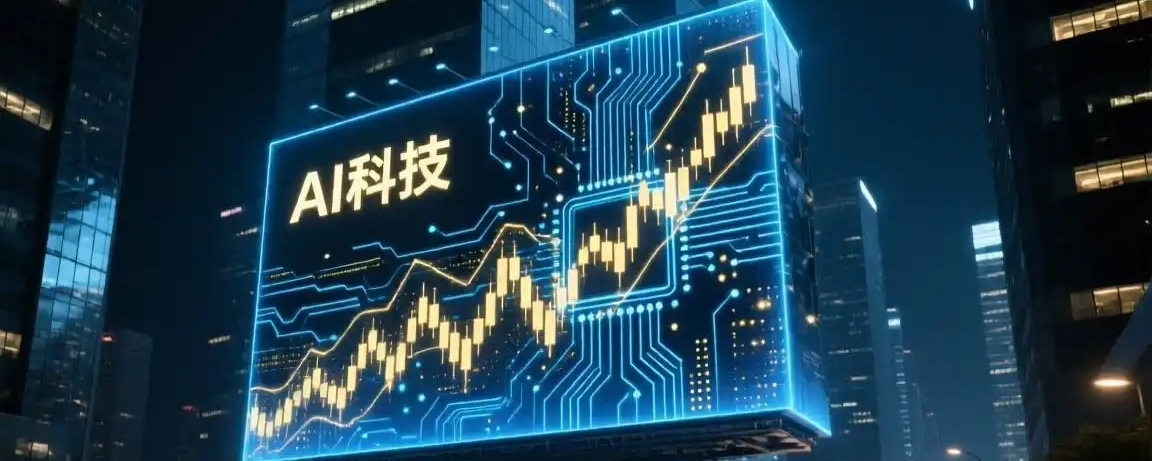
Intel teams up with AU Optronics to develop advanced packaging for Micro LEDs, targeting the CPO and high-density computing integration marketIntel is extending its advanced packaging strategy into the Micro LED substrate domain, and has also reportedly forged deep cooperation with AU Optronics, a major Taiwan panel maker, to jointly advance CPO (co-packaged optics) and integration solutions for high-density computing chips. This marks that the photonic heterogeneous integration technology roadmap is accelerating toward commercialization.
According to a report by Taiwan media outlet Taiwan (Economic Daily) on September 21, industry insiders revealed that Intel has obtained a U.S. licensed patent titled "IC Package with Micro LEDs." The core technical route is to embed semiconductor chips into a glass substrate and, through through-glass vias (TGV), enable electrical interconnection between Micro LEDs and the packaging substrate. This allows on-chip light-emitting display, customized optical output, and in-situ optoelectronic testing functionalities to be achieved without the need for additional external components. Previously, AU Optronics Chairman Peng Shuanglang stated clearly at a previous earnings briefing that the company has already made inroads in advanced packaging and the glass substrate field, and is now developing jointly with partners.
Intel teams up with AU Optronics to develop advanced packaging for Micro LEDs, targeting the CPO and high-density computing integration market
Intel is extending its advanced packaging strategy into the Micro LED substrate domain, and has also reportedly forged deep cooperation with AU Optronics, a major Taiwan panel maker, to jointly advance CPO (co-packaged optics) and integration solutions for high-density computing chips. This marks that the photonic heterogeneous integration technology roadmap is accelerating toward commercialization.
According to a report by Taiwan media outlet Taiwan (Economic Daily) on September 21, industry insiders revealed that Intel has obtained a U.S. licensed patent titled "IC Package with Micro LEDs." The core technical route is to embed semiconductor chips into a glass substrate and, through through-glass vias (TGV), enable electrical interconnection between Micro LEDs and the packaging substrate. This allows on-chip light-emitting display, customized optical output, and in-situ optoelectronic testing functionalities to be achieved without the need for additional external components. Previously, AU Optronics Chairman Peng Shuanglang stated clearly at a previous earnings briefing that the company has already made inroads in advanced packaging and the glass substrate field, and is now developing jointly with partners.
According to a report by Taiwan media outlet Taiwan (Economic Daily) on September 21, industry insiders revealed that Intel has obtained a U.S. licensed patent titled "IC Package with Micro LEDs." The core technical route is to embed semiconductor chips into a glass substrate and, through through-glass vias (TGV), enable electrical interconnection between Micro LEDs and the packaging substrate. This allows on-chip light-emitting display, customized optical output, and in-situ optoelectronic testing functionalities to be achieved without the need for additional external components. Previously, AU Optronics Chairman Peng Shuanglang stated clearly at a previous earnings briefing that the company has already made inroads in advanced packaging and the glass substrate field, and is now developing jointly with partners.
3
3
8
479
·
--
Article
Nasdaq 100 Quarterly Rebalancing Takes Effect Soon! SpaceX’s Weight Will Double to 2.82%Next Monday (September 21), the Nasdaq 100 index quarterly rebalancing will officially take effect. SpaceX’s weight in the index will jump from 1.28% to 2.82% directly—more than doubling.
To be honest, seeing this number, my first reaction was: finally, things are back to normal. SpaceX’s market value has surpassed $2 trillion, making it the seventh-largest company in the Nasdaq 100 index—yet previously, with its weighting, it couldn’t even squeeze into the top 20. That’s basically a “miscarriage of justice” in index construction history. Now the weight finally matches the market cap, but the driver behind it isn’t fundamentals—it’s a mechanical rules adjustment.
Nasdaq 100 Quarterly Rebalancing Takes Effect Soon! SpaceX’s Weight Will Double to 2.82%
Next Monday (September 21), the Nasdaq 100 index quarterly rebalancing will officially take effect. SpaceX’s weight in the index will jump from 1.28% to 2.82% directly—more than doubling.
To be honest, seeing this number, my first reaction was: finally, things are back to normal. SpaceX’s market value has surpassed $2 trillion, making it the seventh-largest company in the Nasdaq 100 index—yet previously, with its weighting, it couldn’t even squeeze into the top 20. That’s basically a “miscarriage of justice” in index construction history. Now the weight finally matches the market cap, but the driver behind it isn’t fundamentals—it’s a mechanical rules adjustment.
To be honest, seeing this number, my first reaction was: finally, things are back to normal. SpaceX’s market value has surpassed $2 trillion, making it the seventh-largest company in the Nasdaq 100 index—yet previously, with its weighting, it couldn’t even squeeze into the top 20. That’s basically a “miscarriage of justice” in index construction history. Now the weight finally matches the market cap, but the driver behind it isn’t fundamentals—it’s a mechanical rules adjustment.
3
3
321
·
--
Verified

Article
The Fed’s “credibility battle”: after core CPI once again beat expectations, the bad news is fully priced in as September rate-hike odds are 83%Core CPI again beat expectations: the Fed has been “cornered,” and rate hikes may not be the flood of doom
After the nonfarm payrolls, August CPI also came in above expectations. This time, it was not the headline CPI that beat expectations, but the core CPI: core CPI month-on-month was 0.3%, higher than the expected 0.2%; core CPI year-on-year was 2.45%, compared with 2.48% last month—essentially flat. The rise in headline CPI had been fully anticipated and is in line with market expectations.
Specifically, the core rise is mainly due to hotels and air tickets. Prices for other core goods and services remained relatively moderate, with rents increasing by less than 0.2% month-on-month. This may explain why, after the data was released, gold first fell and then rose, and U.S. Treasury yields first rose and then fell—this “odd” reaction was as if the data were below expectations. The market may think that the increase driven by travel and holidays is not sustainable.
The Fed’s “credibility battle”: after core CPI once again beat expectations, the bad news is fully priced in as September rate-hike odds are 83%
Core CPI again beat expectations: the Fed has been “cornered,” and rate hikes may not be the flood of doom
After the nonfarm payrolls, August CPI also came in above expectations. This time, it was not the headline CPI that beat expectations, but the core CPI: core CPI month-on-month was 0.3%, higher than the expected 0.2%; core CPI year-on-year was 2.45%, compared with 2.48% last month—essentially flat. The rise in headline CPI had been fully anticipated and is in line with market expectations.
Specifically, the core rise is mainly due to hotels and air tickets. Prices for other core goods and services remained relatively moderate, with rents increasing by less than 0.2% month-on-month. This may explain why, after the data was released, gold first fell and then rose, and U.S. Treasury yields first rose and then fell—this “odd” reaction was as if the data were below expectations. The market may think that the increase driven by travel and holidays is not sustainable.
After the nonfarm payrolls, August CPI also came in above expectations. This time, it was not the headline CPI that beat expectations, but the core CPI: core CPI month-on-month was 0.3%, higher than the expected 0.2%; core CPI year-on-year was 2.45%, compared with 2.48% last month—essentially flat. The rise in headline CPI had been fully anticipated and is in line with market expectations.
Specifically, the core rise is mainly due to hotels and air tickets. Prices for other core goods and services remained relatively moderate, with rents increasing by less than 0.2% month-on-month. This may explain why, after the data was released, gold first fell and then rose, and U.S. Treasury yields first rose and then fell—this “odd” reaction was as if the data were below expectations. The market may think that the increase driven by travel and holidays is not sustainable.
6
14
594
·
--
Verified
Article
The “sweet spot poison pill” of index weights: SpaceX’s $12.4 billion passive buying is about to collide head-on with a flood of 2.3 billion shares set to be unblockedA “non-fundamental” rally triggered by index rules
The wave of buying ahead for SpaceX has little to do with its business prospects. It’s more like a mechanical outcome produced after an index construction rule that few people pay attention to gets triggered.
The Nasdaq 100’s quarterly rebalance effective September 21 is expected to raise SpaceX’s weighting from 1.25% to about 1.51%. According to a team led by JPMorgan strategist Min Moon, this adjustment will trigger roughly $12.4 billion in passive net buying.
The direct reason for the jump in weighting is that the free-float ratio has risen from less than 10% after the IPO to nearly 30%—after more than 1 billion shares of lock-up stock are released, the index rules automatically amplify the inclusion weight of this mega-cap with a market value of more than $2 trillion.
The “sweet spot poison pill” of index weights: SpaceX’s $12.4 billion passive buying is about to collide head-on with a flood of 2.3 billion shares set to be unblocked
A “non-fundamental” rally triggered by index rules
The wave of buying ahead for SpaceX has little to do with its business prospects. It’s more like a mechanical outcome produced after an index construction rule that few people pay attention to gets triggered.
The Nasdaq 100’s quarterly rebalance effective September 21 is expected to raise SpaceX’s weighting from 1.25% to about 1.51%. According to a team led by JPMorgan strategist Min Moon, this adjustment will trigger roughly $12.4 billion in passive net buying.
The direct reason for the jump in weighting is that the free-float ratio has risen from less than 10% after the IPO to nearly 30%—after more than 1 billion shares of lock-up stock are released, the index rules automatically amplify the inclusion weight of this mega-cap with a market value of more than $2 trillion.
The wave of buying ahead for SpaceX has little to do with its business prospects. It’s more like a mechanical outcome produced after an index construction rule that few people pay attention to gets triggered.
The Nasdaq 100’s quarterly rebalance effective September 21 is expected to raise SpaceX’s weighting from 1.25% to about 1.51%. According to a team led by JPMorgan strategist Min Moon, this adjustment will trigger roughly $12.4 billion in passive net buying.
The direct reason for the jump in weighting is that the free-float ratio has risen from less than 10% after the IPO to nearly 30%—after more than 1 billion shares of lock-up stock are released, the index rules automatically amplify the inclusion weight of this mega-cap with a market value of more than $2 trillion.
6.5k
55
451
6.5k
·
--
Open a new chapter and embark on a new journey—exciting prospects lie ahead!
Open a new chapter and embark on a new journey—exciting prospects lie ahead!

4.7k
26
352
4.7k
·
--
On August 27, according to encrypted KOL Kunlun Xing, Binance founder CZ attended an in-person book lovers meetup for 《Binance Life》 in Hong Kong. He set up a booth to sell books on site, actively chatted with customers who bought books, and said he accepts payments in Hong Kong dollars or RMB. Throughout the event, he stayed down-to-earth, interacted with readers at the venue, and responded with “Thank you for your patronage.”
In addition, today CZ will attend the Bitcoin Asia 2026 conference, scheduled to hold an interview from 15:00 to 15:30 on the theme of 《The Bitcoin Century》.
On August 27, according to encrypted KOL Kunlun Xing, Binance founder CZ attended an in-person book lovers meetup for 《Binance Life》 in Hong Kong. He set up a booth to sell books on site, actively chatted with customers who bought books, and said he accepts payments in Hong Kong dollars or RMB. Throughout the event, he stayed down-to-earth, interacted with readers at the venue, and responded with “Thank you for your patronage.”
In addition, today CZ will attend the Bitcoin Asia 2026 conference, scheduled to hold an interview from 15:00 to 15:30 on the theme of 《The Bitcoin Century》.
In addition, today CZ will attend the Bitcoin Asia 2026 conference, scheduled to hold an interview from 15:00 to 15:30 on the theme of 《The Bitcoin Century》.

1
5
685
·
--
Verified
Article
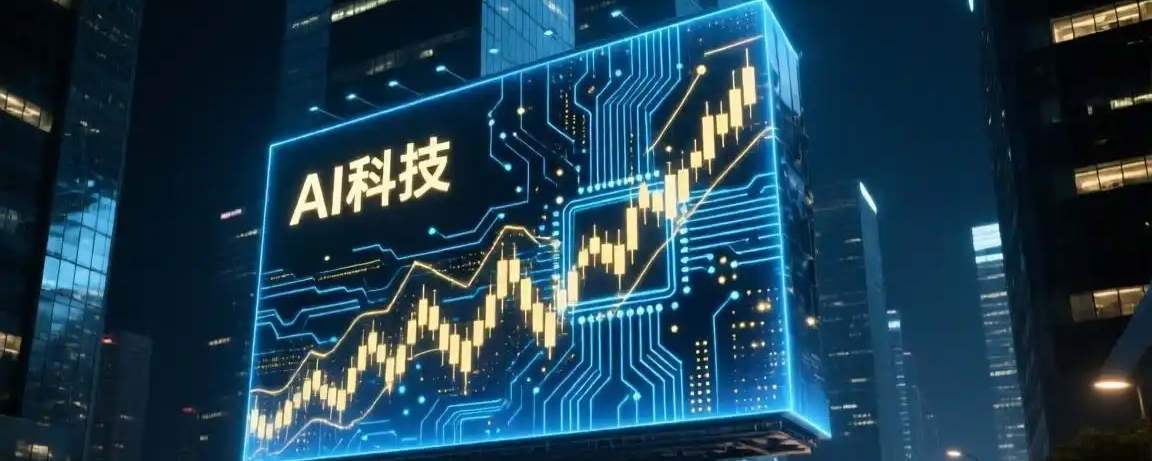
From “What AI Can Do” to “Who Will Foot the Bill”: Goldman Explains the Threefold Logic Behind Tech Stocks’ Ongoing PressureThe recent pullback in tech stocks is not the end of the AI narrative, but the market is undergoing a profound restructuring of its pricing logic.
Nvidia once saw seven straight trading days of declines, weighing on the Nasdaq. Rich Privorotsky, head of the Goldman One-Delta trading desk, said this round of selling in tech stocks is hard to attribute to a single catalyst; rather, it is the combined result of triple pressures—credit market conditions, supply-chain expectations, and the policy environment. He warned that “the credit market is raising questions that the stock market had largely overlooked.”
This repricing has already left clear marks at the valuation level. The Philadelphia Semiconductor Index’s 24-month forward P/E has narrowed from 21–22 times to roughly 15 times, and the range of possible outcomes is widening significantly. The core issue has also shifted—from “what AI can do” to “who will pay for it to run.”
From “What AI Can Do” to “Who Will Foot the Bill”: Goldman Explains the Threefold Logic Behind Tech Stocks’ Ongoing Pressure
The recent pullback in tech stocks is not the end of the AI narrative, but the market is undergoing a profound restructuring of its pricing logic.
Nvidia once saw seven straight trading days of declines, weighing on the Nasdaq. Rich Privorotsky, head of the Goldman One-Delta trading desk, said this round of selling in tech stocks is hard to attribute to a single catalyst; rather, it is the combined result of triple pressures—credit market conditions, supply-chain expectations, and the policy environment. He warned that “the credit market is raising questions that the stock market had largely overlooked.”
This repricing has already left clear marks at the valuation level. The Philadelphia Semiconductor Index’s 24-month forward P/E has narrowed from 21–22 times to roughly 15 times, and the range of possible outcomes is widening significantly. The core issue has also shifted—from “what AI can do” to “who will pay for it to run.”
Nvidia once saw seven straight trading days of declines, weighing on the Nasdaq. Rich Privorotsky, head of the Goldman One-Delta trading desk, said this round of selling in tech stocks is hard to attribute to a single catalyst; rather, it is the combined result of triple pressures—credit market conditions, supply-chain expectations, and the policy environment. He warned that “the credit market is raising questions that the stock market had largely overlooked.”
This repricing has already left clear marks at the valuation level. The Philadelphia Semiconductor Index’s 24-month forward P/E has narrowed from 21–22 times to roughly 15 times, and the range of possible outcomes is widening significantly. The core issue has also shifted—from “what AI can do” to “who will pay for it to run.”
1
3
1.6k
·
--
Verified
Article
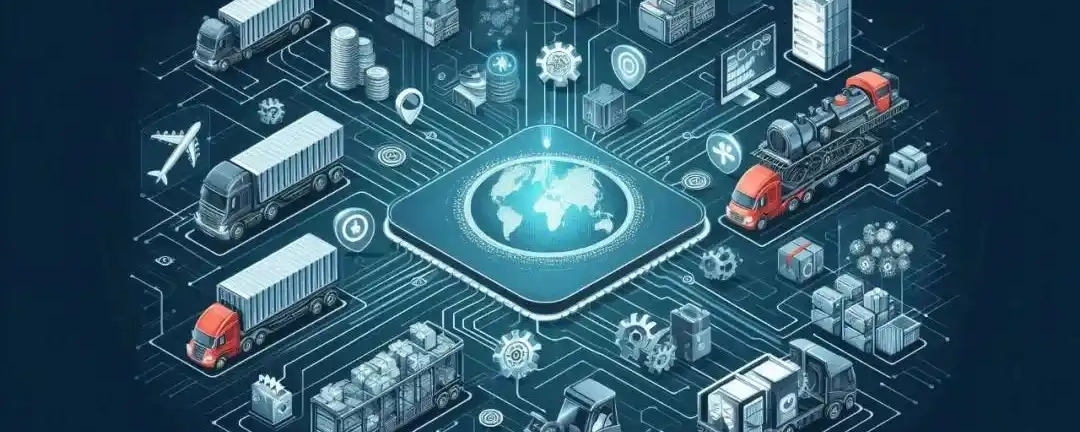
Supply chains turn into the front lineBessent launches an all-out economic offensive against Iran; AI devours global high-end storage output, and on the eve of Nvidia's earnings report, its own supply chain becomes the frontline of national security.
1|Bessent launches "Operation Economic Abandonment"; the final arguments of Iran's moderates are dismantled
Bessent formally announced on Monday the secondary sanctions code-named "Operation Economic Abandonment". The measures cover five areas—digital assets, technology, gold, aviation, and shipping—adding nearly 60 individuals, entities, and vessels. Before the sanctions were published, the rial had already fallen below 2 million per 1 US dollar, a historic low. The Washington Post's assessment is that the heaviest move was actually delayed.
Supply chains turn into the front line
Bessent launches an all-out economic offensive against Iran; AI devours global high-end storage output, and on the eve of Nvidia's earnings report, its own supply chain becomes the frontline of national security.
1|Bessent launches "Operation Economic Abandonment"; the final arguments of Iran's moderates are dismantled
Bessent formally announced on Monday the secondary sanctions code-named "Operation Economic Abandonment". The measures cover five areas—digital assets, technology, gold, aviation, and shipping—adding nearly 60 individuals, entities, and vessels. Before the sanctions were published, the rial had already fallen below 2 million per 1 US dollar, a historic low. The Washington Post's assessment is that the heaviest move was actually delayed.
1|Bessent launches "Operation Economic Abandonment"; the final arguments of Iran's moderates are dismantled
Bessent formally announced on Monday the secondary sanctions code-named "Operation Economic Abandonment". The measures cover five areas—digital assets, technology, gold, aviation, and shipping—adding nearly 60 individuals, entities, and vessels. Before the sanctions were published, the rial had already fallen below 2 million per 1 US dollar, a historic low. The Washington Post's assessment is that the heaviest move was actually delayed.
1
2
9
888
·
--
Verified

Article
Dalio: The U.S. debt crisis could arrive within three years at the fastest—advises selling bonds and buying gold and BitcoinBillionaire and founder of Bridgewater Associates Ray Dalio issues a warning: the U.S. debt crisis could break out as soon as within three years, and he advises investors to reduce their bond holdings—allocating 10% to 15% of their portfolio to gold—while holding a small amount of Bitcoin to hedge risk.
In an article published on Friday, Dalio said that this year the U.S. government’s revenue is about $5.5 trillion, while spending is as high as $7.5 trillion, leaving a gap of $2 trillion. Even just interest expenses alone would come close to $1 trillion, and roughly $10 trillion in debt urgently needs to be refinanced.
He believes that if the current trajectory is not changed, the debt crisis—"within three years, with an error range of plus or minus two years"—may arrive. The remarks have once again stirred market sentiment.
Dalio: The U.S. debt crisis could arrive within three years at the fastest—advises selling bonds and buying gold and Bitcoin
Billionaire and founder of Bridgewater Associates Ray Dalio issues a warning: the U.S. debt crisis could break out as soon as within three years, and he advises investors to reduce their bond holdings—allocating 10% to 15% of their portfolio to gold—while holding a small amount of Bitcoin to hedge risk.
In an article published on Friday, Dalio said that this year the U.S. government’s revenue is about $5.5 trillion, while spending is as high as $7.5 trillion, leaving a gap of $2 trillion. Even just interest expenses alone would come close to $1 trillion, and roughly $10 trillion in debt urgently needs to be refinanced.
He believes that if the current trajectory is not changed, the debt crisis—"within three years, with an error range of plus or minus two years"—may arrive. The remarks have once again stirred market sentiment.
In an article published on Friday, Dalio said that this year the U.S. government’s revenue is about $5.5 trillion, while spending is as high as $7.5 trillion, leaving a gap of $2 trillion. Even just interest expenses alone would come close to $1 trillion, and roughly $10 trillion in debt urgently needs to be refinanced.
He believes that if the current trajectory is not changed, the debt crisis—"within three years, with an error range of plus or minus two years"—may arrive. The remarks have once again stirred market sentiment.
2
9
2.6k
·
--

Article
Meta Reportedly Consumes Tens of Trillions of Tokens Every Week, Quietly Becoming a Major Microsoft AI CustomerMeta Platforms has become one of Microsoft’s largest AI (artificial intelligence) customers, highlighting that demand for this emerging AI technology remains largely concentrated in the technology industry for now.
An insider said Meta spends hundreds of millions of dollars every year to access AI models through Microsoft Azure cloud services. It added that the compute power Meta uses each week via Azure has reached the level of tens of trillions of tokens.
An important part of Microsoft’s AI strategy is to provide AI models from different vendors through a model marketplace called Foundry. As of this past July, Foundry had 100,000 customers. In promotional materials, Microsoft often showcases customers from traditional industries such as manufacturing and transportation.
Meta Reportedly Consumes Tens of Trillions of Tokens Every Week, Quietly Becoming a Major Microsoft AI Customer
Meta Platforms has become one of Microsoft’s largest AI (artificial intelligence) customers, highlighting that demand for this emerging AI technology remains largely concentrated in the technology industry for now.
An insider said Meta spends hundreds of millions of dollars every year to access AI models through Microsoft Azure cloud services. It added that the compute power Meta uses each week via Azure has reached the level of tens of trillions of tokens.
An important part of Microsoft’s AI strategy is to provide AI models from different vendors through a model marketplace called Foundry. As of this past July, Foundry had 100,000 customers. In promotional materials, Microsoft often showcases customers from traditional industries such as manufacturing and transportation.
An insider said Meta spends hundreds of millions of dollars every year to access AI models through Microsoft Azure cloud services. It added that the compute power Meta uses each week via Azure has reached the level of tens of trillions of tokens.
An important part of Microsoft’s AI strategy is to provide AI models from different vendors through a model marketplace called Foundry. As of this past July, Foundry had 100,000 customers. In promotional materials, Microsoft often showcases customers from traditional industries such as manufacturing and transportation.
1
7
1.3k
·
--
Verified

Article
Are U.S. bond yields the “elephant in the room”? Survey shows bullish sentiment for U.S. stocks remains strongBank of America’s latest global fund manager survey shows that 56% of the funds in respondents’ investment portfolios are allocated to stocks—its highest level since November 2021.
However, this survey also shows that as investors' optimism toward stocks continues to build, “unruly bond yield increases” is seen as the second-largest factor threatening the stock market, only behind the risk of an AI bubble.
In addition, as a related risk factor, 25% of respondents say that a second-round rebound in inflation is the biggest risk facing the market.
Sevens Report Technicals newsletter editor Tyler Richey says that the surge in bond yields is “the elephant in the room” and could break the rally trend in the stock market that has been edging closer to historic highs over the past year. However, although strategists on Wall Street are paying attention to the impact of rising yields, most of them believe that the current level of yields is not yet high enough to disrupt the logic behind the stock market’s advance. After all, historical data shows that a sudden spike in bond yields does not necessarily deal a blow to the stock market.
Are U.S. bond yields the “elephant in the room”? Survey shows bullish sentiment for U.S. stocks remains strong
Bank of America’s latest global fund manager survey shows that 56% of the funds in respondents’ investment portfolios are allocated to stocks—its highest level since November 2021.
However, this survey also shows that as investors' optimism toward stocks continues to build, “unruly bond yield increases” is seen as the second-largest factor threatening the stock market, only behind the risk of an AI bubble.
In addition, as a related risk factor, 25% of respondents say that a second-round rebound in inflation is the biggest risk facing the market.
Sevens Report Technicals newsletter editor Tyler Richey says that the surge in bond yields is “the elephant in the room” and could break the rally trend in the stock market that has been edging closer to historic highs over the past year. However, although strategists on Wall Street are paying attention to the impact of rising yields, most of them believe that the current level of yields is not yet high enough to disrupt the logic behind the stock market’s advance. After all, historical data shows that a sudden spike in bond yields does not necessarily deal a blow to the stock market.
However, this survey also shows that as investors' optimism toward stocks continues to build, “unruly bond yield increases” is seen as the second-largest factor threatening the stock market, only behind the risk of an AI bubble.
In addition, as a related risk factor, 25% of respondents say that a second-round rebound in inflation is the biggest risk facing the market.
Sevens Report Technicals newsletter editor Tyler Richey says that the surge in bond yields is “the elephant in the room” and could break the rally trend in the stock market that has been edging closer to historic highs over the past year. However, although strategists on Wall Street are paying attention to the impact of rising yields, most of them believe that the current level of yields is not yet high enough to disrupt the logic behind the stock market’s advance. After all, historical data shows that a sudden spike in bond yields does not necessarily deal a blow to the stock market.
1
6
936
Log in to explore more content
Join global crypto users on Binance Square
⚡️ Get latest and useful information about crypto.
💬 Trusted by the world’s largest crypto exchange.
👍 Discover real insights from verified creators.
Email / Phone number
Trending Topics
BitgetHackerMoves$83MStolenXRP
372 views
23 Discussing
#BitgetHackerMoves$83MStolenXRP 📊 Market Update: Bitget Hacker Moves $83M in Stolen XRP – Ecosystem Implications
On-chain activity shows the attacker behind the recent Bitget breach has begun moving a significant portion of the stolen XRP. Here is a clear, objective breakdown of the situation and what it means for the broader crypto market.
📰 Core News
• 💸 Fund Movement Approximately $83 million worth of XRP has been transferred out of three holding wallets linked to the ~$387.5 million Bitget security breach. Roughly $75 million remains in the original accounts.
• ❄️ Freeze Limitations While stablecoin issuers like Circle and Tether have successfully frozen related USDC/USDT, native XRP cannot be frozen by Ripple or any central entity due to the foundational design of the XRP Ledger.
• 🛡️ Exchange Response Bitget has confirmed that its protection fund will fully cover the losses. Customer balances remain unaffected, and phased withdrawals are scheduled to resume shortly.
📈 Market Impact
⚖️ Price Resilience XRP has shown relative stability, absorbing the news with only minor short-term volatility. The market appears to be pricing in the fact that user funds are protected by the exchange's reserve fund.
• 🔍 Security Takeaway This incident underscores a vital technical distinction in crypto: native layer-1 assets lack built-in freeze mechanisms. This highlights the ongoing industry need for advanced exchange custody protocols, multi-sig solutions, and real-time on-chain monitoring.
💬 Join the Discussion
How do you think the crypto industry should balance the core principle of decentralized, censorship-resistant networks with the need for safety nets during major security events? Share your thoughts below! 👇
#XRP #CryptoSecurity #Bitget #Blockchain #CryptoNews
This is for educational purposes only. Not Financial Advice (NFA). Always Do Your Own Research (DYOR).
$QNT $GLMR $AMP.US
珍妮丝 kgf
·0 Likes
·46 views
SOLSpotETFWeeklyInflow$188M
322 views
35 Discussing
StrategyStriveAdd2305BitcoinThisWeek
30,261 views
890 Discussing