

The memecoin market, with its lure of quick profits fueled by viral trends and social media hype, has attracted millions of investors.
However, the reality is disheartening. About 97% of cryptocurrencies of this type collapse within a short period of time. Understanding the factors behind the success or failure of these altcoins is crucial for investors interested in this sector.
The difficult memecoin market
Memecoins often capitalize on viral trends and social media buzz to quickly gain traction. However, this approach often lacks long-term viability.
In an exclusive interview with BeInCrypto, Alvin Kan, COO of Bitget Wallet, said that the main reason for the failure of meme coins lies in short-term thinking.
“Most memecoin developers launch a token just to capture market hype for a short period of time — weeks or maybe months. Once that initial hype dies down and investor FOMO subsides, the token’s presence in the broader crypto market almost ceases to exist,” Kan explained.
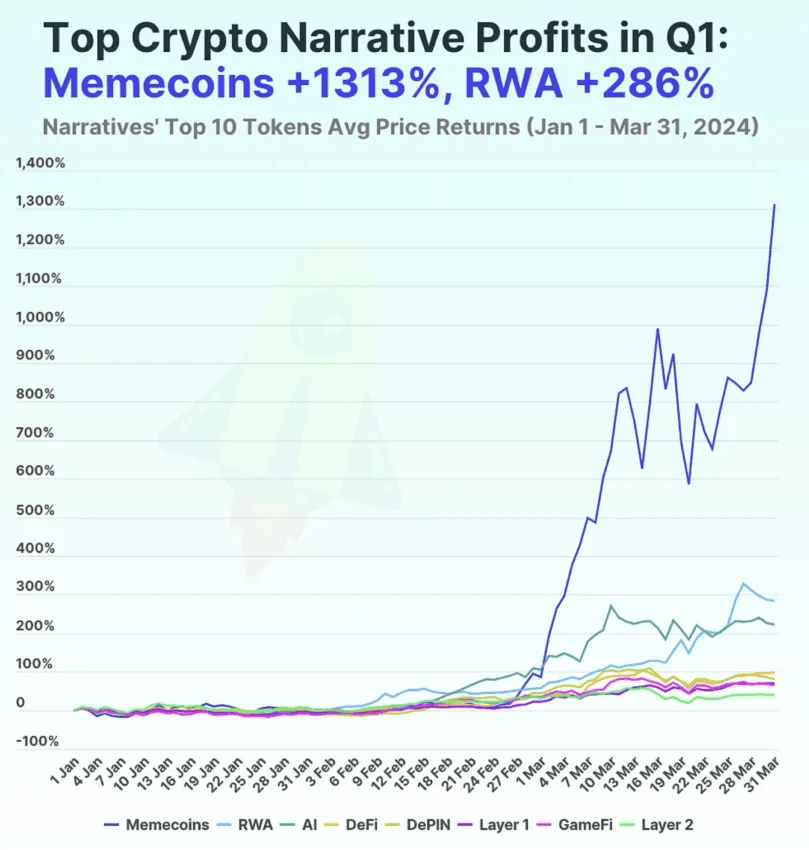
After seeing significant success in Q1 2024, almost all memecoins have collapsed this year due to lack of foresight. In fact, many coins are built purely on hype, with no inherent value or long-term strategy. After an initial burst of enthusiasm, the lack of sustained engagement and utility leads to their downfall.
Therefore, once the hype dies down, meme coins disappear from trading platforms and investors’ portfolios. In 2024, a staggering 97% of memecoins collapsed, reflecting the speculative and ephemeral nature of these tokens. On average, a meme coin only survives for about a year, compared to three years for other crypto projects.
The secret of success
Despite the dismal statistics, some meme coins have defied the odds, thriving long after the initial buzz has faded. Kan believes that successful meme coins share common characteristics, such as utility beyond the hype, innovative tokenomics, and strategic marketing.
For example, Shiba Inu (SHIB) started out as a simple Dogecoin (DOGE) rival but has since evolved into a multifaceted project with DeFi integrations, staking, and Web3 gaming capabilities. Others like Bonk (BONK) and Floki (FLOKI) have also demonstrated that offering real-world applications can propel a meme coin beyond its novelty status.
“If you look at this year’s top-performing tokens like BONK, FLOKI or SHIB, they all have an extensive ecosystem that creates broader utility for the token. Developers who value long-term success ensure their meme coins have a strong distribution layout and they engage in discussions with thought leaders, host AMA sessions with developers and promote the project through partnerships and collaborations,” Kan added.
This evolution from simple memes to useful tokens is crucial for survival in the highly competitive and speculative cryptocurrency market.
In addition to utility, successful memecoins often have tokenomics that prioritize long-term value. BONK, for example, has allocated 40% of its supply to community incentives. By creating clear rewards for holders, it encourages continued engagement and support from its user base.
Marketing is another area where the line between success and failure is drawn. According to Kan, a “pump-and-dump” meme coin engages in viral marketing campaigns that are viral but superficial. These tactics can involve low-quality media coverage or bot-driven social media activity, which can lead to a spike in interest followed by a rapid decline.
Read more: How to identify and evaluate the potential of a memecoin?
The double-edged sword
Platforms like X (formerly Twitter) play an outsized role in driving the memecoin craze. Prominent industry figures like Elon Musk have been known to trigger surges in meme coin prices with a single tweet. In an unregulated social media environment, rumors and speculative enthusiasm can quickly drive prices up — or down.
Recently, TikTok has emerged as another powerful platform for meme coin promotions. Viral challenges encouraging users to buy specific tokens have led to short-term price spikes. While this strategy can bring significant attention to a coin, it often results in extreme volatility, and the price of the token can plummet as quickly as it rose.
Coordinated community-driven efforts to boost a coin’s popularity can be a double-edged sword. While these campaigns can lead to price surges, they also carry the risk of market manipulation.
Retail investors often find themselves at a disadvantage when a few large holders orchestrate a price surge, only to exit the market after making significant profits, leaving smaller investors with undervalued assets.
“The sense of belonging to a community, combined with the fear of missing out on the ‘next big thing,’ drives more investors to buy. As more people see posts and discussions about the coin’s rising value, they jump in, hoping to ride the wave. Investors should be aware of these trends, understanding that they are betting purely on the community’s ability to drive the hype, making these coins speculative and risky,” Kan told BeInCrypto.
In fact, one of the biggest risks is the prevalence of scams and rug pulls. Around 55.24% of meme coins are classified as malicious, with blockchains like Base having the highest scam rates at 59.15%, followed closely by Ethereum at 55.59%. This high prevalence of fraudulent projects underscores the need for diligent research.
Learning from other memecoins
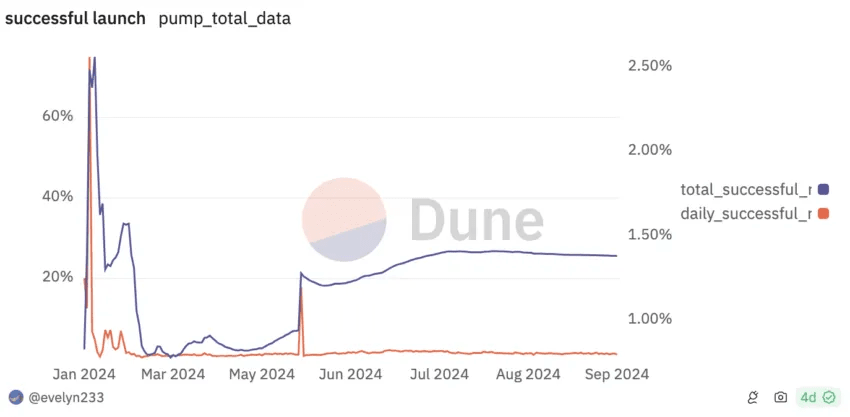
Another critical statistic reveals that 98.6% of memecoins on certain platforms, such as Solana’s Pump.fun, fail to even launch successfully. This reflects how easy it is to create meme coins, but also the challenges in bringing them to market and maintaining long-term value.
Investors should be aware of these risks and trends. In most cases, meme coins are speculative assets, and their value is largely determined by the community’s ability to sustain the hype. When interest wanes, the value of the coin can collapse, often to near-zero levels.
On the other hand, developers aiming for success must prioritize transparency, build credibility with their community, and adopt mature marketing strategies.
“If you look at the recent successful meme coins, they have a lot of DeFi components. Developers create an ecosystem where these coins can be used for staking, gamification, or NFT integration. These initiatives create passive earning opportunities for holders. So even in a bear market, there is always utility and ongoing transaction for the tokens,” Kan concluded.
Understanding the factors behind success and failure can make all the difference. Investors should remain cautious, recognizing that the meme coin market is highly speculative and subject to extreme volatility.
Meanwhile, new projects aiming to establish credibility amid market skepticism should prioritize transparency. Third-party audits, industry partnerships, and consistent communication can help build a trustworthy reputation.
The article 97% of memecoins fail: what’s the secret to success? was first seen on BeInCrypto Brazil.